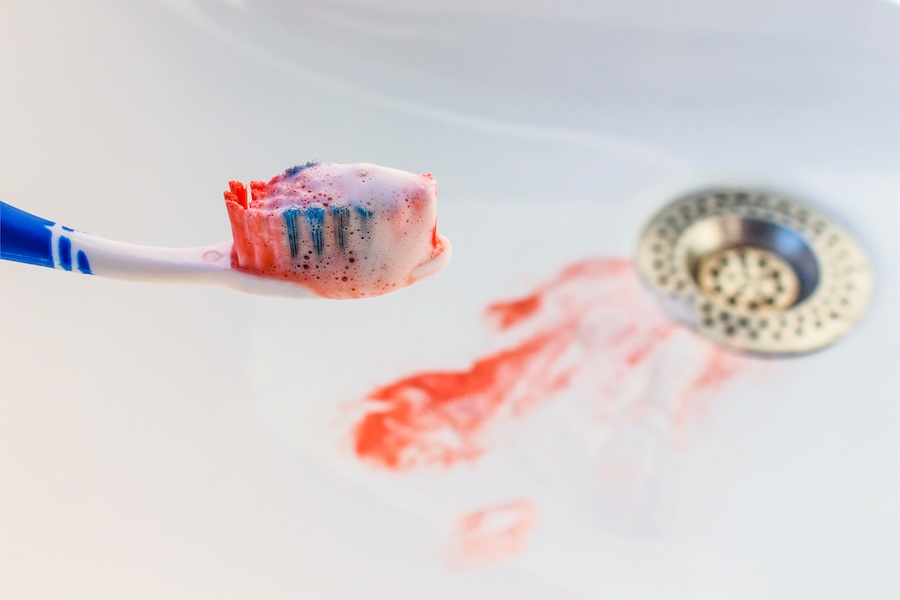
Bleeding gums can sneak into your routine pretty easily. You notice a little blood when you floss, rinse it away, and move on with your day. Then, a few weeks later, the same spots are still bleeding, and maybe the gums feel a little puffy or tender too.
At Reen Chung, DDS in North Seattle, Dr. Reen Chung looks at what is happening around the gums before deciding what kind of care is needed. Sometimes the problem is early gingivitis, and a professional cleaning plus better home care can calm things down. Other times, there is tartar deeper under the gums or bone loss around the teeth, and that is when periodontal therapy may be needed.
Why Gums Start Bleeding
When plaque sits along the gumline, the bacteria in it can irritate the tissue. At first, the gums may simply look a little redder or feel tender when you floss. Then, as the inflammation builds, they can start bleeding more easily.
You may notice it only in one area at first. Maybe the floss comes out pink between the same two molars every night, while the rest of your mouth seems fine. That does not always mean something serious is going on, but it does tell us that the tissue there is irritated.
If the bleeding keeps showing up, Dr. Chung can look for plaque, tartar, swelling, or deeper gum pockets around that area. Once we know what is causing the irritation, we can talk about what needs to happen next. In many cases, catching inflammation early keeps things much simpler.
Gingivitis Can Still Be Reversed
Gingivitis is the earliest stage of gum disease. At this point, the gums are inflamed, but the bone supporting the teeth has not been damaged. Because of that, gingivitis can often be reversed when the plaque and inflammation are brought under control.
You may notice bleeding, puffiness, redness, or bad breath that seems to come back quickly after brushing. At the same time, the gums may not hurt much at all. So, it is possible to have quite a bit of inflammation without feeling like anything is really wrong.
A professional cleaning can remove plaque and tartar that have built up around the gumline. Then, with regular brushing and cleaning between the teeth, the gums can begin to settle down. As that happens, the bleeding should become less frequent.
When Gum Disease Moves Deeper
If inflammation continues for a long time, the gums can begin pulling away from the teeth. That creates deeper spaces, called periodontal pockets, where bacteria and tartar can collect below the gumline. Once that happens, brushing and flossing alone may not be enough to keep those areas clean.
As periodontitis progresses, the bone around the teeth can also begin to break down. You may notice recession, new spaces between teeth, or teeth that feel a little different when you bite. However, some people still have very little pain even when the disease has moved beyond gingivitis.
Dr. Chung can measure the depth of the pockets around your teeth and review X-rays to look at the supporting bone. Then, he can tell whether the gums are dealing with early inflammation or something deeper. From there, he can recommend either a routine cleaning or periodontal therapy.
Pain Is Not Always Part of Gum Disease
A toothache usually gets your attention pretty quickly. Gum disease can be much quieter, especially in the earlier stages. You may see bleeding or notice bad breath long before the gums ever become sore.
Because of that, pain is not a very reliable way to judge gum health. Some people have deeper pockets and bone loss without much discomfort at all. Meanwhile, another person may have tender gums from relatively mild inflammation.
So, if your gums keep bleeding even though they do not hurt, it is still worth bringing up. Dr. Chung is looking for changes that may not be obvious from how the gums feel day to day. The exam can show whether the inflammation is staying near the surface or moving deeper around the teeth.
What a Gum Pocket Actually Is
There is naturally a small space where the gum meets the tooth. In a healthy mouth, that space is shallow and can usually be kept clean with brushing and flossing. When inflammation pushes the gum away from the tooth, though, that space can become deeper.
Once a pocket gets deeper, plaque and tartar can collect farther down the root. At that point, your toothbrush cannot reach the bottom of it, and floss may not be enough either. So, even if you are brushing regularly, bacteria can still remain where the tissue is inflamed.
During a gum exam, Dr. Chung measures those spaces around the teeth. Those measurements help show where the gums are healthy and where deeper cleaning may be needed. Later, they also give us something concrete to compare after treatment.
Tartar Below the Gumline Cannot Be Brushed Away
Plaque is soft, so daily brushing and flossing can remove a lot of it. Once plaque hardens into tartar, though, it sticks firmly to the tooth and root surface. At that point, a toothbrush is not going to remove it.
If tartar is sitting below the gumline, it can keep the surrounding tissue inflamed. The surface is rough, so more bacteria can collect there, and the gums may continue bleeding even if you have become very careful about brushing. That can be frustrating when you are putting in the effort and still seeing the same pink spot in the sink.
This is where professional periodontal care comes in. We can reach the root surfaces below the gums and remove buildup that home care cannot. After that, brushing and cleaning between the teeth have a much better chance of keeping new plaque under control.
What Periodontal Therapy Usually Involves
If Dr. Chung finds periodontitis, treatment often begins with scaling and root planing. This is a deeper cleaning that removes plaque and tartar from below the gumline and along the root surfaces. Depending on how many areas are involved, treatment may be divided between more than one visit.
Local anesthetic can be used so the deeper cleaning is comfortable. Then, the teeth and roots are cleaned carefully in the areas where the pockets are deepest. Once that buildup is removed, the irritated tissue has a cleaner surface to heal against.
Afterward, the gums may feel tender for a few days, and the teeth can be a little more sensitive to cold. You may also notice that the gums look slightly different as swelling goes down. As the inflammation settles, those changes usually become less noticeable.
A Deep Cleaning Is Different From a Routine Cleaning
A regular cleaning is designed for healthy gums or mild inflammation. It focuses mostly on plaque and tartar above the gumline and in shallow areas just underneath it. Once deeper pockets and root buildup are present, the cleaning needs to go farther below the gums.
Scaling and root planing takes more time because those deeper root surfaces need to be cleaned carefully. In some mouths, only a few sections need that level of treatment. In others, several areas may be involved, so treatment is divided into separate appointments.
If Dr. Chung recommends periodontal therapy, it is not simply a longer version of your usual cleaning. The treatment is aimed at buildup and inflammation that have moved farther below the gumline. Because of that, the appointment and the follow-up afterward can look a little different from a routine hygiene visit.
What if Your Gums Bleed More When You Start Flossing?
If you have not flossed regularly for a while, the gums may bleed when you start again. That often happens because plaque has been sitting between the teeth and the tissue is already inflamed. With gentle, consistent cleaning, mild gingivitis often begins to improve.
As the gums become healthier, the bleeding should start decreasing. So, a little blood during the first few days does not necessarily mean flossing is harming the tissue. In fact, stopping completely can allow more plaque to stay in the area.
However, if you have been cleaning consistently and the same spots still bleed after a couple of weeks, let us know. There may be tartar below the gumline or a deeper pocket that home care cannot reach. At that point, flossing still helps, but the area may need professional cleaning too.
Bad Breath Can Be Connected to Gum Problems
Persistent bad breath can come from several places, including the tongue, dry mouth, certain foods, and medical conditions. However, bacteria around inflamed gums and inside periodontal pockets can contribute too. That is why mouthwash may seem to help for a little while and then the odor comes back.
If gum disease is part of the problem, treating the buildup below the gumline can help reduce that source of bacteria. Then, brushing, flossing, and cleaning the tongue can do a better job of keeping the mouth fresh. Staying hydrated can help too, especially if dry mouth is part of the picture.
Bad breath is also a very normal thing to bring up in a dental office. We talk about it all the time, so there is no need to dance around the subject. If it has been persistent, Dr. Chung can look at the gums and the rest of the mouth to see what may be contributing.
Gum Recession Can Happen Along With Periodontal Disease
If the gums begin pulling away from the teeth, the teeth can start looking longer. You may also notice small spaces near the gumline that were not there before. In some cases, those exposed root areas become sensitive to cold or brushing.
Periodontal disease can cause recession because the supporting tissue and bone are being damaged. However, recession can also happen from aggressive brushing, tooth position, clenching, or other factors. So, Dr. Chung will look at the pattern rather than assuming every receded area has the same cause.
If active gum disease is present, controlling the inflammation comes first. Then, once the gums are more stable, Dr. Chung can talk with you about any sensitivity or other concerns that remain. That may include changes in brushing or additional care for exposed root areas.
Smoking Can Make Gum Disease Harder to Spot
Smoking can affect the gums in a way that makes inflammation less obvious. Nicotine reduces blood flow to the tissue, so someone who smokes may have significant gum disease without seeing much bleeding. Because of that, the absence of blood does not always mean the gums are healthy.
Smoking can also slow healing after periodontal treatment. So, Dr. Chung will want to know if you smoke when he is looking at your gum health and talking about treatment. The same goes for vaping, especially if you are also dealing with dry mouth or irritation.
You do not need to worry about being judged for it. It is simply part of the health history that helps us understand how your gums may respond. Then, Dr. Chung can plan treatment and follow-up with that information in mind.
Diabetes Can Affect Gum Health Too
Diabetes can make gum disease harder to control, especially when blood sugar is running high. At the same time, significant periodontal inflammation can make blood sugar management more difficult. So, the two can affect each other.
If you have diabetes, let Dr. Chung know how it is being managed and whether anything has changed recently. You may notice more bleeding, dry mouth, or slower healing during periods when your blood sugar is less stable. Those details can help us understand what we are seeing around the gums.
Regular periodontal care can then become one part of keeping the mouth healthier alongside your medical care. We can monitor the gums more closely and adjust the maintenance schedule if needed. That can help keep inflammation from building back up between visits.
What Happens After Periodontal Therapy
After scaling and root planing, Dr. Chung will want to see how the gums respond. The bleeding should decrease, the tissue may look less puffy, and some pockets may become shallower as the inflammation settles. Then, we can see which areas are healing well and which ones still need closer attention.
Many patients move into periodontal maintenance rather than going back to the same cleaning schedule they had before. Those visits are often closer together because deeper pockets can collect bacteria again more quickly. So, instead of waiting six months, you may come in every three or four months for a while.
During those visits, we clean above and below the gumline and check the areas that were previously deeper. Dr. Chung may also repeat pocket measurements and look for new bleeding. If one area starts becoming inflamed again, it can be addressed before it gets much farther.
Home Care After Periodontal Treatment
Once the deeper buildup is removed, what you do at home becomes even more important. Brushing twice a day and cleaning between the teeth helps keep new plaque from settling back into those areas. However, you do not need to scrub harder to make up for lost time.
A soft-bristled toothbrush and gentle pressure along the gumline are usually enough. If the bristles on your toothbrush flatten quickly, you may be pressing harder than you realize. Easing up can be kinder to both the gums and exposed root surfaces.
For cleaning between the teeth, floss may work well in some areas, while interdental brushes may be easier in others. Dr. Chung or the hygiene team can show you what fits your mouth best. If one spot always feels impossible to clean, ask us about it rather than quietly giving up on that area.
When Bleeding Gums Need a Closer Look
If you see blood once after catching the floss too hard, that is one thing. If the gums bleed most days, bleed in the same places repeatedly, or seem more swollen than they used to, schedule an exam. The same goes if the bleeding comes with bad breath, recession, tenderness, or spaces opening between the teeth.
You should also call if you notice pus, swelling, or a tooth that feels loose. Those can be signs that periodontal disease has moved beyond mild inflammation. Even then, the amount of pain may not match how much is happening underneath the gums.
You do not have to wait until the gums are sore enough to bother you all day. If the bleeding keeps showing up, that is enough reason to have Dr. Chung take a look. He can tell whether you need a routine cleaning, periodontal therapy, or another kind of follow-up.
What Dr. Chung Checks During a Gum Exam
Dr. Reen Chung will look at the color and shape of the gums and see where they bleed. Then, he will measure the spaces around the teeth to check for deeper pockets. Those measurements help show where the gums are healthy and where the attachment around a tooth has changed.
Dental X-rays may also be used to look at the bone supporting the teeth. If bone loss is present, Dr. Chung can see where it is happening and how much support has been affected. He can also compare different areas of the mouth instead of judging everything by the gumline alone.
Once he has those pieces together, he can explain what is going on in plain terms. Mild gingivitis may need a regular cleaning and better home care, while periodontitis may need scaling and root planing followed by periodontal maintenance. Then, we can keep an eye on how your gums respond over time.
Periodontal Therapy at Reen Chung, DDS in North Seattle
If your gums keep bleeding when you brush or floss, come see us at Reen Chung, DDS in North Seattle. Dr. Reen Chung can check whether the bleeding is coming from mild gingivitis, tartar below the gumline, deeper periodontal pockets, or bone loss. Then, if periodontal therapy is needed, he can walk you through what treatment involves and what to expect afterward.
Bleeding gums are common, but they are still worth checking when they keep coming back. If you are seeing pink in the sink most days, noticing new recession, or wondering why one area always seems irritated, bring it up. Call Reen Chung, DDS in Seattle, WA, to schedule a gum health exam with Dr. Reen Chung—we’d be glad to take a closer look and help you get your gums feeling healthier again!
Contact Us